


Managing Diabetic Retinopathy: How Specialized Diabetic Eye Care Protects Your Vision
Managing Diabetic Retinopathy: How Specialized Diabetic Eye Care Protects Your Vision
Diabetes can affect more than blood sugar. Over time, high blood sugar levels can damage the small blood vessels in the retina, the light-sensitive tissue at the back of the eye. This damage can lead to diabetic retinopathy, one of the most common diabetic eye diseases and a serious cause of vision loss.
The challenging part is that diabetic retinopathy may not cause noticeable symptoms in the early stages. Your vision may seem normal while changes are already happening inside the eye. That is why specialized diabetic eye care and routine medical eye exams are so important for protecting long-term vision.
What Is Diabetic Retinopathy?
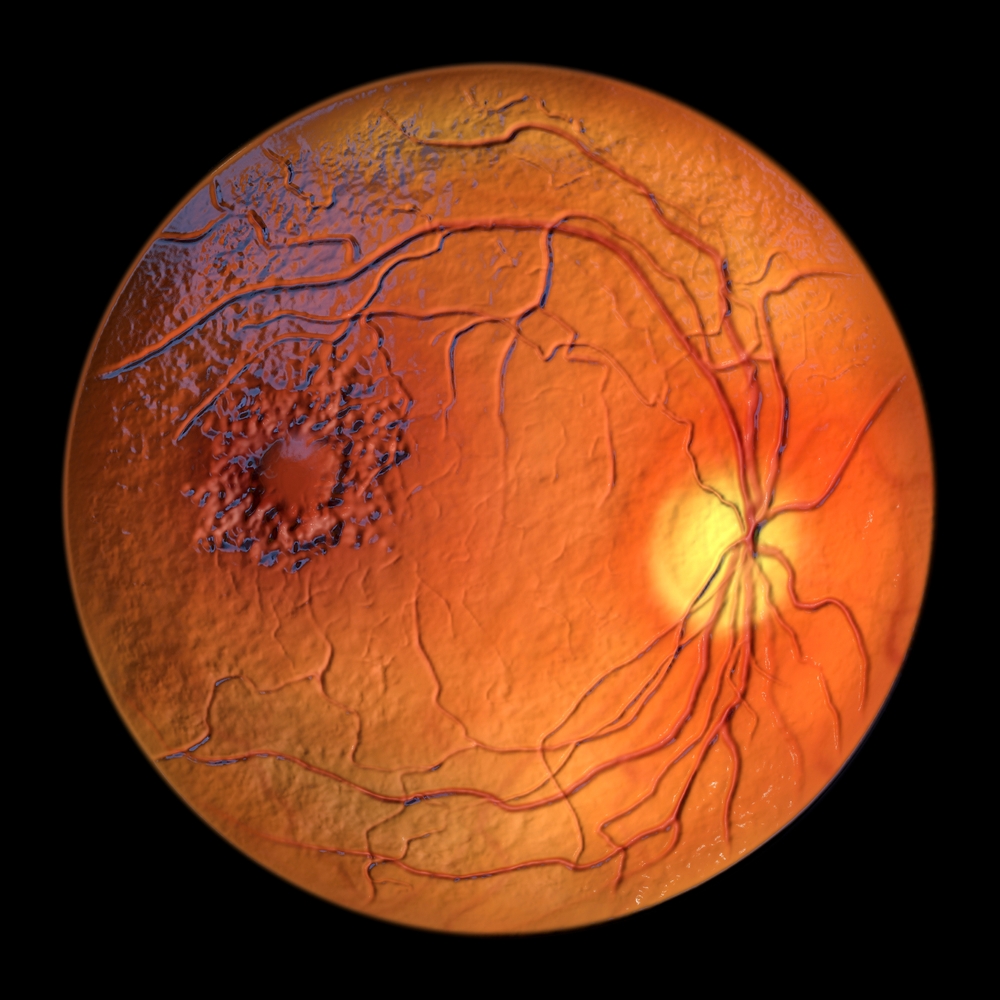
Diabetic retinopathy develops when diabetes weakens or damages retinal blood vessels. These vessels may leak fluid, bleed, or close off, affecting how the retina receives oxygen and nutrients. In more advanced cases, abnormal new blood vessels may grow, increasing the risk of bleeding, scar tissue, and retinal complications.
Diabetic retinopathy can affect people with type 1 or type 2 diabetes. The longer someone has diabetes, the greater the risk, especially when blood sugar, blood pressure, or cholesterol levels are not well managed.
Signs You Should Not Ignore
Many people do not notice symptoms until diabetic retinopathy becomes more advanced. When symptoms do appear, they may include:
• Blurry or fluctuating vision
• Dark spots, floaters, or shadows
• Trouble seeing at night
• Faded or washed-out colors
• Sudden vision changes
• Vision loss in one or both eyes
Any sudden change in vision should be evaluated promptly. However, waiting for symptoms is not the best way to protect your sight. A comprehensive diabetic eye exam can detect retinal changes before vision is affected.
The Importance of Regular Diabetic Eye Exams
A diabetic eye exam is more than a basic vision check. During a medical eye exam, our eye doctor evaluates the retina, optic nerve, blood vessels, and overall eye health. This helps identify signs of diabetic retinopathy, diabetic macular edema, cataracts, glaucoma, and other eye conditions that are more common in people with diabetes.
Early detection gives you more options. When diabetic eye disease is found sooner, your eye care team can monitor changes closely, coordinate with your primary care physician or diabetes specialist, and recommend the next steps to help reduce the risk of permanent vision loss.
How Specialized Diabetic Eye Care Helps
Specialized diabetic eye care focuses on prevention, early diagnosis, and ongoing monitoring. At Bogey Hills Vision Center, we use advanced technology and thorough evaluation to look for changes that may not be visible or noticeable to you.
Your exam may include retinal imaging, dilation, and other diagnostic testing based on your needs. These tools help your eye doctor track small changes over time and create a clearer picture of your retinal health. If treatment or specialty care is needed, early detection helps guide timely referrals and follow-up care.
Protecting Your Vision Between Exams
Managing diabetic retinopathy starts with consistent medical care and healthy daily habits. Keeping blood sugar, blood pressure, and cholesterol under control can help reduce the risk of eye damage. It is also important to follow your recommended eye exam schedule, even if your vision seems clear.
Schedule your diabetic eye exam with Bogey Hills Vision Center to get a detailed look at your retinal health, monitor changes related to diabetes, and take proactive steps to protect your vision. Visit our office in Saint Charles, Missouri, or call (636) 946-1176 to book an appointment today.


Office Hours
- Monday 8:30am - 5:00pm
- Tuesday 8:30am - 5:00pm
- Wednesday 8:30am - 5:00pm
- Thursday 11:00am - 6:30pm
- Friday 8:30am - 5:00pm
- Saturday Closed
- Sunday Closed
© 2026 Bogey Hills Vision Center | All rights Reserved | Accessibility Statement | Privacy Policy | Terms and Conditions | Sitemap
Powered by:
