


Can Diabetes Increase Your Risk of Developing Glaucoma?
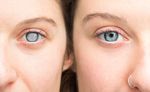
Diabetes is a chronic condition that affects many parts of the body, including your eyes. Most people are aware that diabetes can lead to vision problems like diabetic retinopathy, but fewer realize that it can also increase the risk of developing glaucoma. Understanding the connection between diabetes and glaucoma is an important step in protecting your long-term eye health.
What Is Glaucoma?
Glaucoma is a group of eye conditions that damage the optic nerve, which is responsible for sending visual information from your eye to your brain. This damage is often related to increased pressure inside the eye, though glaucoma can also occur with normal eye pressure.
One of the most concerning aspects of glaucoma is that it often develops without noticeable symptoms in its early stages. Vision loss typically begins in the peripheral vision and progresses slowly, making regular eye exams critical for early detection.
How Diabetes Increases the Risk of Glaucoma
Research shows that people with diabetes are at a higher risk of developing glaucoma compared to those without diabetes. In fact, individuals with diabetes may be nearly twice as likely to develop certain types of glaucoma.
Diabetes can increase glaucoma risk in several ways:
- Damage to blood vessels: High blood sugar levels can weaken and damage blood vessels throughout the body, including those that supply the optic nerve.
- Increased eye pressure: Diabetes may interfere with the eye’s ability to drain fluid properly, leading to elevated intraocular pressure.
- Neovascular glaucoma: In advanced cases of diabetic eye disease, abnormal blood vessels can grow in the eye and block fluid drainage, causing a severe and aggressive form of glaucoma.
Because these changes can occur gradually and without symptoms, many people are unaware of the problem until vision loss has already begun.
Why Regular Diabetic Eye Exams Are Essential
For individuals with diabetes, regular diabetic eye exams are one of the most important tools for preserving vision. These comprehensive exams allow your eye doctor to monitor for early signs of glaucoma, as well as other diabetes-related eye conditions.
During a diabetic eye exam, your optometrist can:
- Measure eye pressure
- Evaluate the optic nerve
- Check peripheral vision
- Detect early structural changes before symptoms appear
Early detection makes a significant difference. When glaucoma is caught early, treatment can slow or prevent further vision loss and help maintain quality of life.
Managing Your Risk
While diabetes does increase your risk, proactive care can help reduce the likelihood of serious complications. Key steps include:
- Keeping blood sugar levels well controlled
- Managing blood pressure and cholesterol
- Attending annual (or doctor-recommended) diabetic eye exams
- Following treatment plans if early signs of glaucoma are detected
Taking these steps can help protect both your vision and overall health.
Stay Ahead of Glaucoma with Bogey Hills Vision Center
Diabetes can increase your risk of developing glaucoma - but vision loss is not inevitable. With regular diabetic eye exams and early intervention, glaucoma can often be managed before it causes permanent damage. Staying informed and proactive is the best way to safeguard your sight for years to come.
Contact Bogey Hills Vision Center to schedule your diabetic eye exam and take an important step toward safeguarding your vision from glaucoma. Visit our office in Saint Charles, Missouri, or call (636)-946-1176 today.


Office Hours
- Monday 8:30am - 5:00pm
- Tuesday 8:30am - 5:00pm
- Wednesday 8:30am - 5:00pm
- Thursday 11:00am - 6:30pm
- Friday 8:30am - 5:00pm
- Saturday Closed
- Sunday Closed
© 2026 Bogey Hills Vision Center | All rights Reserved | Accessibility Statement | Privacy Policy | Terms and Conditions | Sitemap
Powered by:
